

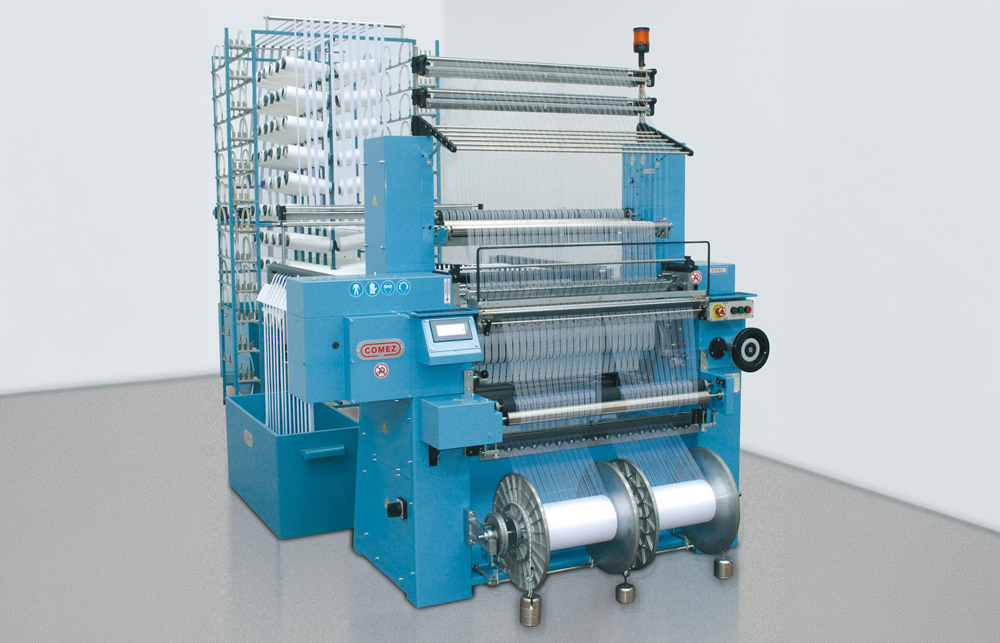
The global crochet machines market is expected to expand steadily as textile manufacturers increase production capacity, automate fabric-making processes, and respond to growing demand for specialized narrow fabrics. The market is projected to be valued at USD 5.7 billion in 2026 and reach USD 8.4 billion by 2033, expanding at a compound annual growth rate (CAGR) of 5.7% from 2026 to 2033, according to the report.
Crochet machines are used to manufacture a range of textile products, including lace, elastic fabrics, ribbons, tapes, trims, technical textiles, and other narrow-width materials. Their ability to deliver consistent quality, high production speeds, and complex fabric structures has made them increasingly important to modern textile production.
Growth is being driven by the continued expansion of textile manufacturing in Asia Pacific, rising factory automation, and increasing demand for high-value narrow fabrics across apparel, medical textiles, industrial applications, and home furnishings. Automated crochet machines are gaining preference for their ability to improve production efficiency, reduce material waste, enhance pattern precision, and reduce dependence on manual intervention.
Asia Pacific is expected to remain the leading regional market, supported by its large textile and garment manufacturing base, export-oriented production, expanding industrial infrastructure, and growing investment in automated machinery. China, India, Japan, South Korea, and other regional manufacturing hubs are described as particularly important to the development of the crochet machinery industry.
The market is projected to grow from USD 5.7 billion in 2026 to USD 8.4 billion by 2033, at a 5.7% CAGR over the period. Asia Pacific is expected to remain the dominant regional market given its extensive textile manufacturing ecosystem, while factory automation and advanced machine controls are said to be increasing productivity and consistency in crochet fabric production. Rising demand for specialized narrow fabrics is also expanding applications beyond conventional apparel manufacturing, with medical, industrial, home furnishing, and technical textile applications creating new opportunities for crochet machine manufacturers.
The crochet machines market can be segmented by machine type, application, automation level, fabric type, and end-use industry. By machine configuration, the market includes high-speed crochet machines, computerized crochet machines, automatic systems, and specialized machines designed for specific fabric structures.
Based on application, crochet machines are used to produce lace, elastic fabrics, ribbons, tapes, braids, decorative trims, technical textiles, and other narrow-width fabrics. Apparel and fashion applications remain significant, as crochet machinery can produce decorative and functional textile components used in garments, lingerie, sportswear, footwear, and accessories. At the same time, technical applications are gaining importance as manufacturers explore specialized fabrics for industrial and healthcare purposes.
By end-use industry, the market serves apparel and fashion, home textiles, medical textiles, automotive, industrial textiles, footwear, and other sectors, with apparel remaining a major application due to continuing global demand for clothing and fashion accessories.