

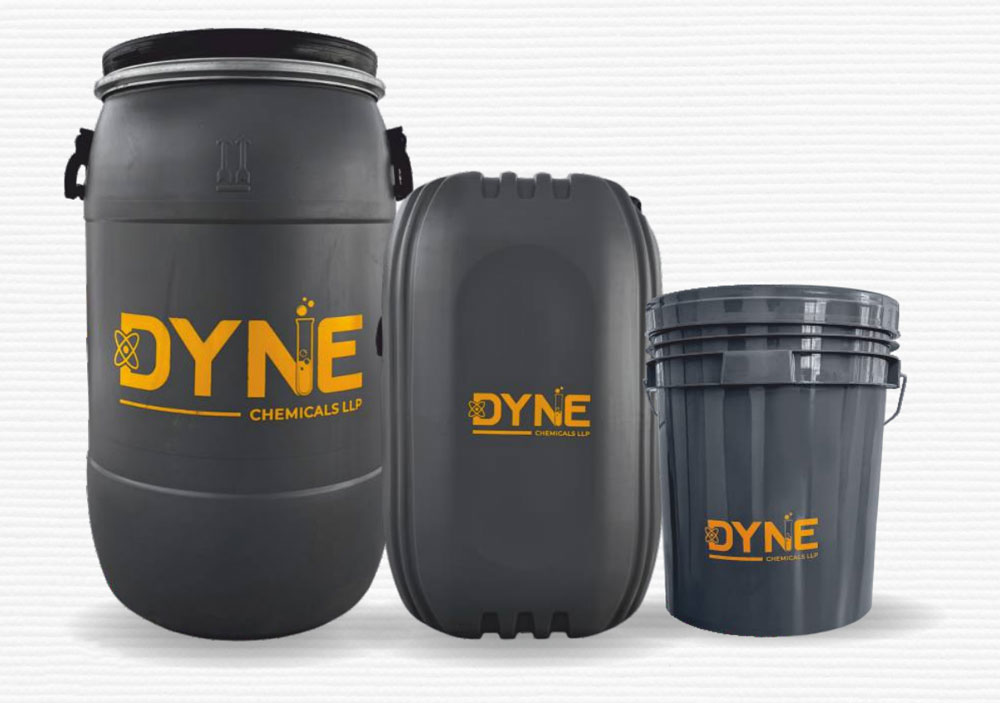
Textile chemicals are playing an increasingly decisive role in fabric quality, durability, compliance, and value addition as the industry evolves, with processors relying on advanced chemical solutions to meet rising demands for consistency, eco-compliance, and performance from global brands and buyers, according to Dyne Chemical, a company focused on chemical solutions for the textile sector.
Yash Patel, managing director of Dyne Chemical, said the company has positioned itself as a solution partner for textile manufacturers seeking to improve quality, productivity, and sustainability, rather than functioning solely as a chemical supplier.
According to Patel, textile chemicals have moved beyond their traditional role in processes such as scouring, bleaching, and dyeing, with modern formulations increasingly designed to improve fabric functionality, optimize processing efficiency, and ensure consistent quality across production batches.
The company stated that today’s textile market calls for fabrics offering color fastness, moisture management, softness, durability, and wash performance, requirements that call for specialized, application-specific chemical solutions addressing both performance and process challenges. Dyne Chemical said it works closely with textile processors to understand production requirements and develop solutions aimed at improving operational efficiency alongside end-product quality.
The company follows a structured product development approach spanning laboratory formulation, pilot-scale evaluation, and large-scale mill trials. Testing across cotton, polyester, viscose, and blended fabrics is intended to ensure products meet performance benchmarks related to shade reproducibility, fabric hand feel, fastness properties, and process compatibility, the company said.
Sustainability has become a defining factor in global textile manufacturing, with international standards and regulations such as ZDHC, REACH, and various restricted substance lists reshaping how textile chemicals are developed and used. Dyne Chemical said it has focused on creating environmentally responsible solutions aimed at reducing water and energy consumption, lowering effluent loads, improving chemical utilization efficiency, and supporting cleaner production processes, with an emphasis on eco-friendly and biodegradable formulations that the company said align with sustainability commitments across the industry.
The company also said it sees opportunities in the growing technical textiles segment, where applications such as medical textiles, automotive fabrics, protective clothing, geotextiles, and industrial textiles require specialized chemical technologies capable of delivering specific performance characteristics. As India strengthens its position in technical textiles, the company said advanced chemistry will play a role in supporting this growth.
Dyne Chemical said the industry continues to face challenges including technical skill gaps, raw material price volatility, increasing compliance requirements, and the pace of technological change, all of which require continuous adaptation from manufacturers and solution providers alike. The company said it addresses these challenges through a customer-centric development approach, with continuous engagement with textile mills allowing it to identify production issues such as uneven dyeing, foam management, process stability, and wash fastness, and to develop targeted solutions accordingly.