

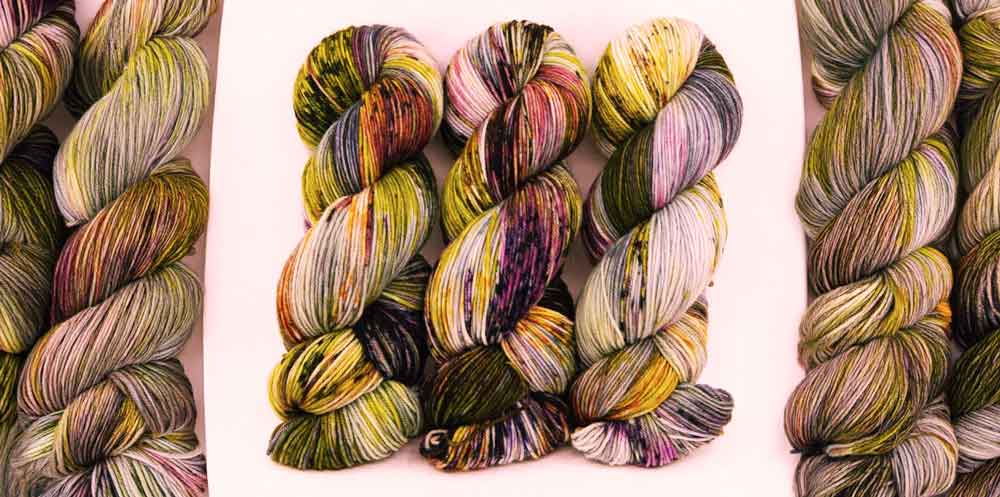
Rising demand for sustainable materials, advanced spinning technologies and specialty applications is creating new opportunities across apparel, home textiles and technical textiles.
The global fancy yarn market is entering a period of steady transformation, driven by growing demand for sustainable materials, technological advancement and expanding applications beyond conventional fashion textiles. According to the market analysis cited in the source, the global market is projected to reach USD 5.2 billion in 2025 and USD 6.8 billion by 2034, representing a compound annual growth rate of 4.2% during the period.
Fancy yarns, including chenille and bouclé varieties, are increasingly being used to add texture, colour and distinctive visual and tactile qualities to textile products. While apparel and home textiles remain important markets, applications are expanding into technical textiles, composites, insulation and filtration, creating opportunities for manufacturers to develop higher-value specialty yarns.
Sustainability becomes a key driver
Sustainability is emerging as one of the strongest forces shaping the market. Textile manufacturers and brands are increasingly turning towards organic, recycled, biodegradable and lower-impact fibres in response to changing consumer expectations, sustainability regulations and global ESG priorities. These developments are supporting demand for sustainable fancy yarns across apparel, interiors and technical applications.
The shift towards sustainability is also encouraging innovation in fibre blends, recyclable dyes and production processes. Natural fibres such as cotton, wool, silk and linen continue to appeal to consumers seeking comfort and environmental benefits, while blended yarns offer manufacturers a balance between softness, strength, performance and cost.
Technology reshapes production
Alongside sustainability, digitalisation is changing how fancy yarns are manufactured. Automation, AI-enabled quality inspection, sophisticated spinning equipment and connected production systems are improving precision, reducing defects and increasing productivity. Digital tracking and intelligent manufacturing can also improve consistency, transparency and supply-chain efficiency.
However, technology also presents challenges for smaller manufacturers. Fancy yarn production can be complex, requiring specialised machinery and skilled labour, while investments in AI-driven inventory management, predictive logistics and automated operations can be difficult for smaller businesses to afford.
Tariffs add pressure to supply chains
Raw-material costs remain another concern. Fluctuating prices of fibres, dyes and specialty materials can increase production costs, particularly for high-end fancy yarns. Recent tariff measures affecting international trade have added further pressure by increasing the cost of imported raw materials and machinery. Smaller and regional manufacturers are particularly vulnerable because they generally have less diversified supply chains and limited purchasing power.
At the same time, these disruptions are encouraging manufacturers to reconsider sourcing strategies, with India, Vietnam and Bangladesh emerging as alternative sourcing destinations for some companies.
Asia-Pacific offers strong growth potential
Asia-Pacific is identified as the fastest-emerging regional market, supported by large-scale textile manufacturing, exports, urbanisation and rising demand for fashion and home textiles. India, China, Japan and South Korea are among the key markets in the region. Increasing disposable incomes and initiatives supporting domestic textile manufacturing are creating additional opportunities.
India, in particular, presents growth opportunities as its fashion and home textile sectors expand and demand rises for environmentally friendly and affordable yarns.
Looking ahead, the fancy yarn market is likely to remain shaped by the intersection of sustainability, innovation and digital manufacturing. Companies that can combine distinctive yarn aesthetics with improved performance, sustainable materials and efficient production will be better positioned to capture opportunities across fashion, interiors and technical textiles.