
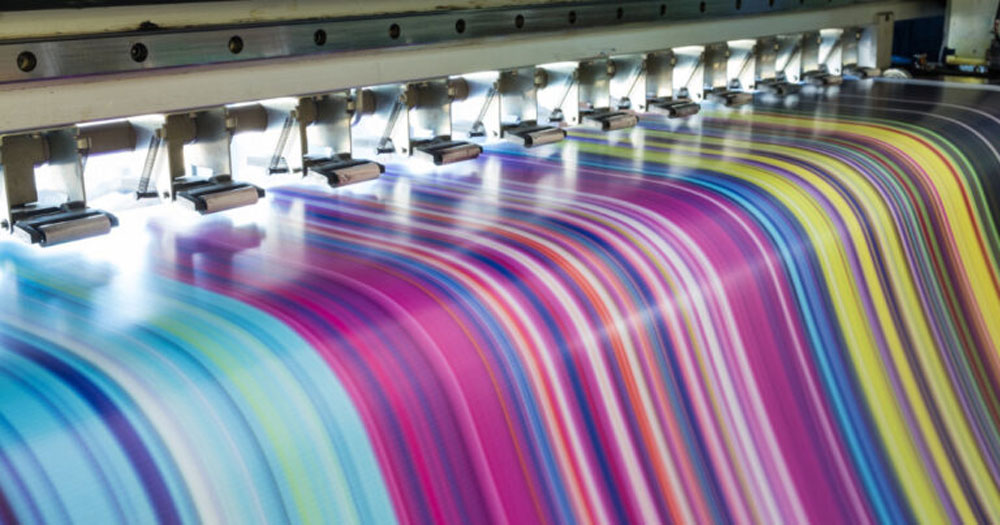
The global digital textile printing ink market was valued at more than USD 0.6 billion in 2021 and is projected to grow at a compound annual growth rate of 14.2% between 2022 and 2031, surpassing USD 2.4 billion by the end of the forecast period. Digital textile printing ink is used across the textile industry for printing on fabrics such as cotton, polyester, nylon, and silk, enabling colors, images, logos, or text to be printed directly onto fabric digitally. The ink is typically a water-soluble dye and can be applied to both natural and synthetic materials.
Several factors are said to be contributing to rising demand in the market. One driver is the growing trend of customized apparel in the fashion industry, as consumers increasingly seek unique designs and personalized clothing options, which has boosted the use of digital printing techniques to print customized logos, slogans, and images onto garments on demand. The entertainment sector is described as a significant adopter of this trend, with fans purchasing clothing printed with movie or celebrity slogans.
Another driver cited is the rising trend of advertising and promotion across industries. Digital printing offers high graphic quality and is used extensively for banner ads, signage, and vehicle wraps, with industries such as restaurants, retail, and financial services using large-format digital prints for branding and marketing purposes, reflecting a growing need for visual communication.
The market can be segmented by type, substrate, and region. By type, it is divided into dispersed, reactive, acid, and pigment inks, with dispersed inks accounting for more than 56% of the market in 2021 due to their wide applications in printing polyester fabrics, industrial textiles, and apparel. By substrate, the market covers natural fibers such as cotton and linen and synthetic fibers such as polyester, nylon, and acrylic, with natural fibers holding a 46.8% share in 2021, attributed to the suitability of reactive inks for printing on cotton, which is described as the most preferred material in apparel.
Regionally, Europe held the largest share at 38% of the global market in 2021, led by countries including Germany, with North America and Asia Pacific identified as other major regions. Asia Pacific is expected to see strong growth due to increasing digitization in countries such as China.
Manufacturers in the market are said to be focused on developing eco-friendly and sustainable ink solutions in response to environmental concerns, investing in research and development to launch bio-based and vegetable-based ink variants, and collaborating with distributors and customers to identify new trends, opportunities, and applications. Companies are also reported to be expanding production capacities in view of projected demand growth from the apparel and advertising sectors, maintaining quality standards intended to ensure inks withstand washing and deliver long-lasting prints, and pursuing strategic partnerships and joint ventures to enter emerging markets.
The market is expected to grow over the forecast period due to the rising popularity of customized apparel and digitally printed promotional materials, with demand from end-use industries such as entertainment, retail, and hospitality cited as further supporting adoption of digital printing techniques. Manufacturers are anticipated to find opportunities in the growing need for sustainable and eco-friendly ink solutions, with innovation in bio-based offerings named as a continuing area of focus. Rising digitization levels and increased internet penetration globally are also expected to support the market. The COVID-19 pandemic is noted to have temporarily disrupted the market, with demand recovery projected as economic activity gains momentum.